
Generational Storytelling II
Prominent Narrative Dispositions During the Fourth and First Turning


“First World Problem.”
That’s a phrase sometimes used by third-worlders who face tribal war in their front yard (assuming they have yards, which they probably don’t), genocides, famine, human trafficking and abject poverty, when they catch Americans complaining about the cost of a hi-po GPU, a slow WiFi connection, or a malfunctioning power window.
Americans (and many Westerners) have been well-off for a long time. People who are well-off can afford luxuries that less fortunate people can’t imagine aspiring to. Those luxuries include a set of problems which are laughable to people whose problems are existential.
I suspect the reason so many American men look overseas for wife material is related to this. Why put up with the ridiculous demands of entitled narcissistic hypocrites when, cultural differences notwithstanding, an attractive foreign woman is happy to be a loyal, appreciative help-meet to a man who doesn’t abuse her, who shares his resources with her and does his best to keep her happy—in a country where she needs not face tribal wars in her front yard, genocide, famine, human trafficking and abject poverty?

When you know what real suffering and persecution are, you are better able to focus on what is most important while filtering out the bullshit luxuries that spoiled people assume they can’t live without.
The most recognized instance of a significant number of Americans facing existential problems was the previous “secular crisis” or “Fourth Turning”: the Great Depression and WWII.
Happy Narratives for Tragic Times
Most of my favorite movies were made long before I was born. As familiar as I am with vintage films, I noticed a trend that defied my assumptions, dating back to when I first began paying attention to when a particular movie was released.
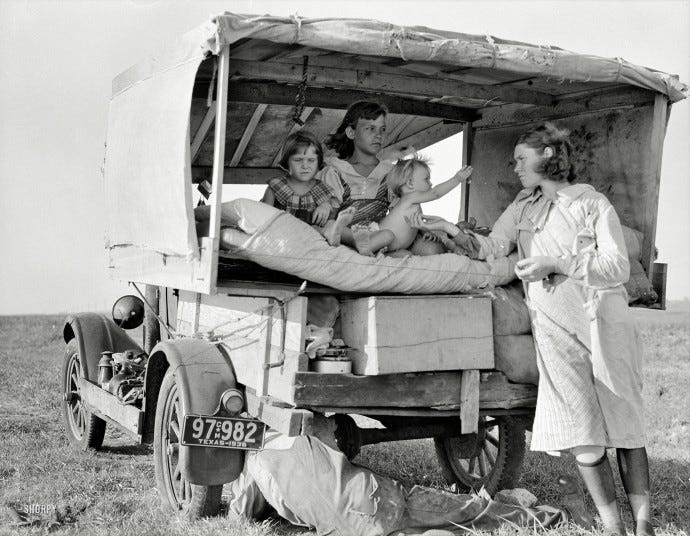
The Depression was a hard-luck, miserable time for many working class Americans. Even if a man managed to find/keep a job, he doubtless was plagued by worry that he’d be laid off at any time. Many people lost everything they had, and probably everybody knew somebody who suffered that fate.
Then the men traded their threadbare rags for uniforms and went abroad to fight the Axis in the most horrific conflict in recorded history. They had to face what seemed at the time like a powerful juggernaut which had run roughshod over all Europe, or an undefeated, cunning enemy which had destroyed our Pacific Fleet and was now gobbling up the South Pacific like an invincible sea monster. Americans had to do it, no matter how impossible it seemed to them, or their grandkids, they were told, would grow up speaking German.
I once assumed it would be normal for people living through such trials to wallow in their misery. I couldn’t have been more wrong.
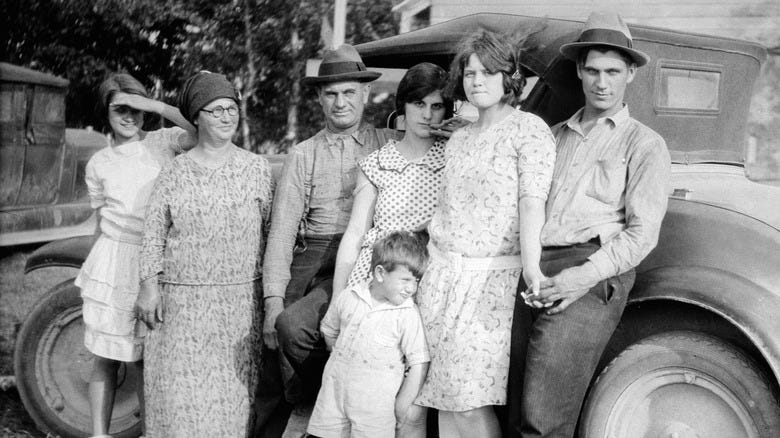
Men going through the Suck don’t need or want to be reminded of how awful everything is. They need an escape from that, and they need hope. (Such was the message of Sullivan’s Travels, made during that very Fourth Turning, BTW.)
The G.I. Generation, identified by Generational Theorists Richard Strauss and Neil Howe as being of the “Hero” archetype, would be the young men who would sacrifice the most to bring our country through that Secular Crisis. Two of their defining qualities were confidence and optimism. Those two qualities permeate the pop culture from that era.
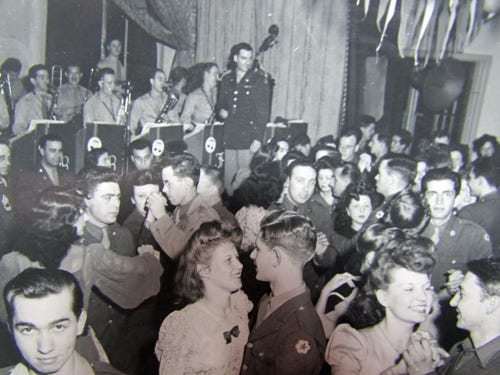
Listen to the music of the time and it’s nearly impossible to miss. Not just in the lyrics of obvious morale-boosters like “Happy Days are Here Again” or “People Like You and Me,” but in the very notes and chords. Every drum solo, every clarinet lead, all the stomping of the feet dancing to it. Even the sad songs had a silver lining of hope implied by the sounds from the instruments.
Read the comic books of the time. Listen to the radio dramas. And watch the movies.
Films without a happy ending from back then are fairly scarce. You could point to the popular gangster flicks of the era (Little Caesar; Public Enemy; Scarface; Angels with Dirty Faces; etc.) and insist that they disprove my claim because the main character lost in the end. Well, yeah: the bad guy went down. The criminals fell; justice prevailed; the innocent folks exploited by the main character lived to see happy days. The weed of crime bore bitter fruit for the antiheroes of the Third Turning.
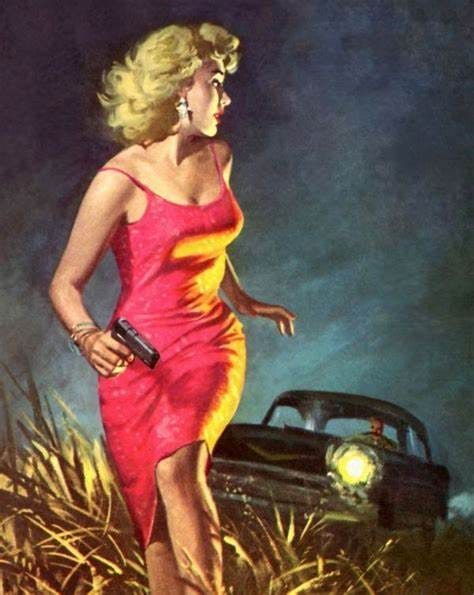
More often, cops and detectives were the protagonists (G-Men; Union Station; The Thin Man; etc.). Sam Spade navigates an underworld full of immoral scum in The Maltese Falcon but remains uncorrupted to the end. And the femme fatale is unable to make him the fall guy.
Boxing was notoriously stained by the gambling racket of the time, but boxing movies from the period were a tour de force of the honest-underdog-beating-the-odds trope (Winner Take All; The Milky Way; The Crowd Roars; Golden Boy; The Prizefighter and the Lady; etc.). Rocky was a throwback to that era’s hero journey and exalting the humble.
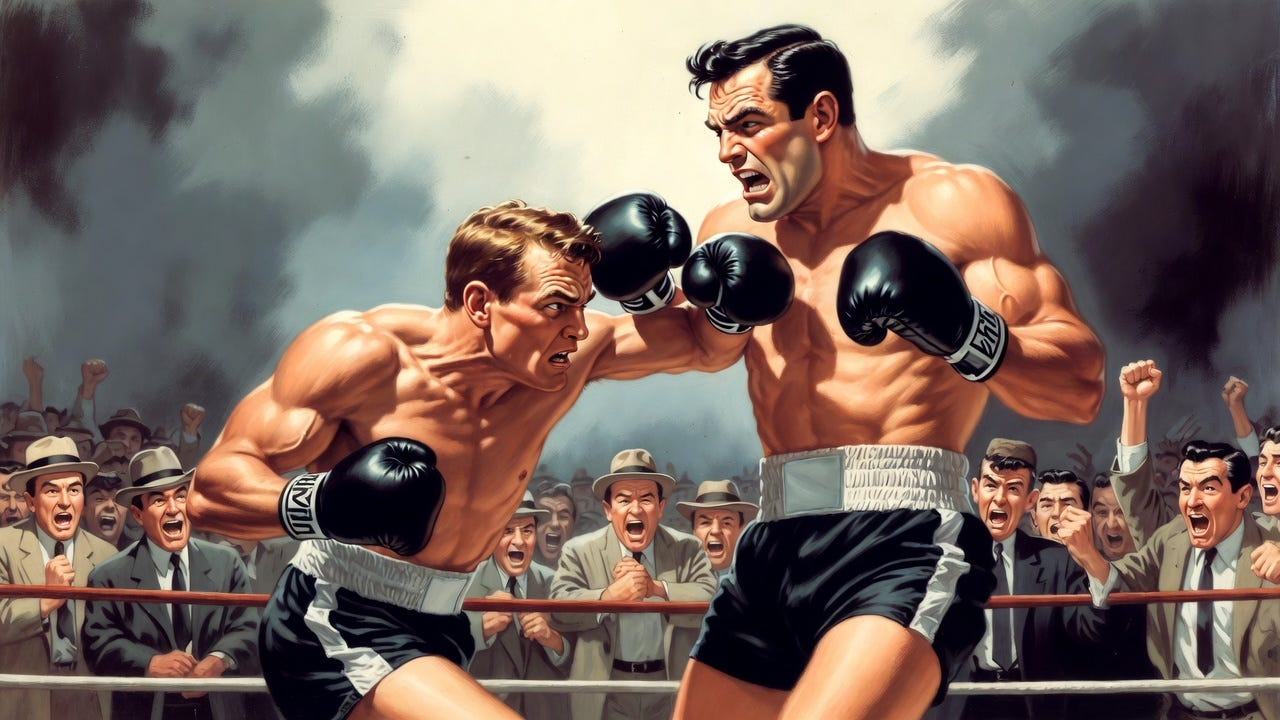
The zeitgeist is even more obvious after sampling the many musicals, adventures, comedies, and romances of the time.
Tragic Narratives for Happy Times
Once both the Second World War and the Depression were over, America entered a new Saeculum. The Silent Generation replaced the G.I.s, demographically, during the First Turning, and no generation ever had more to be thankful for during their young adulthood. The American High was the pinnacle of widespread affluence in all of recorded world history.
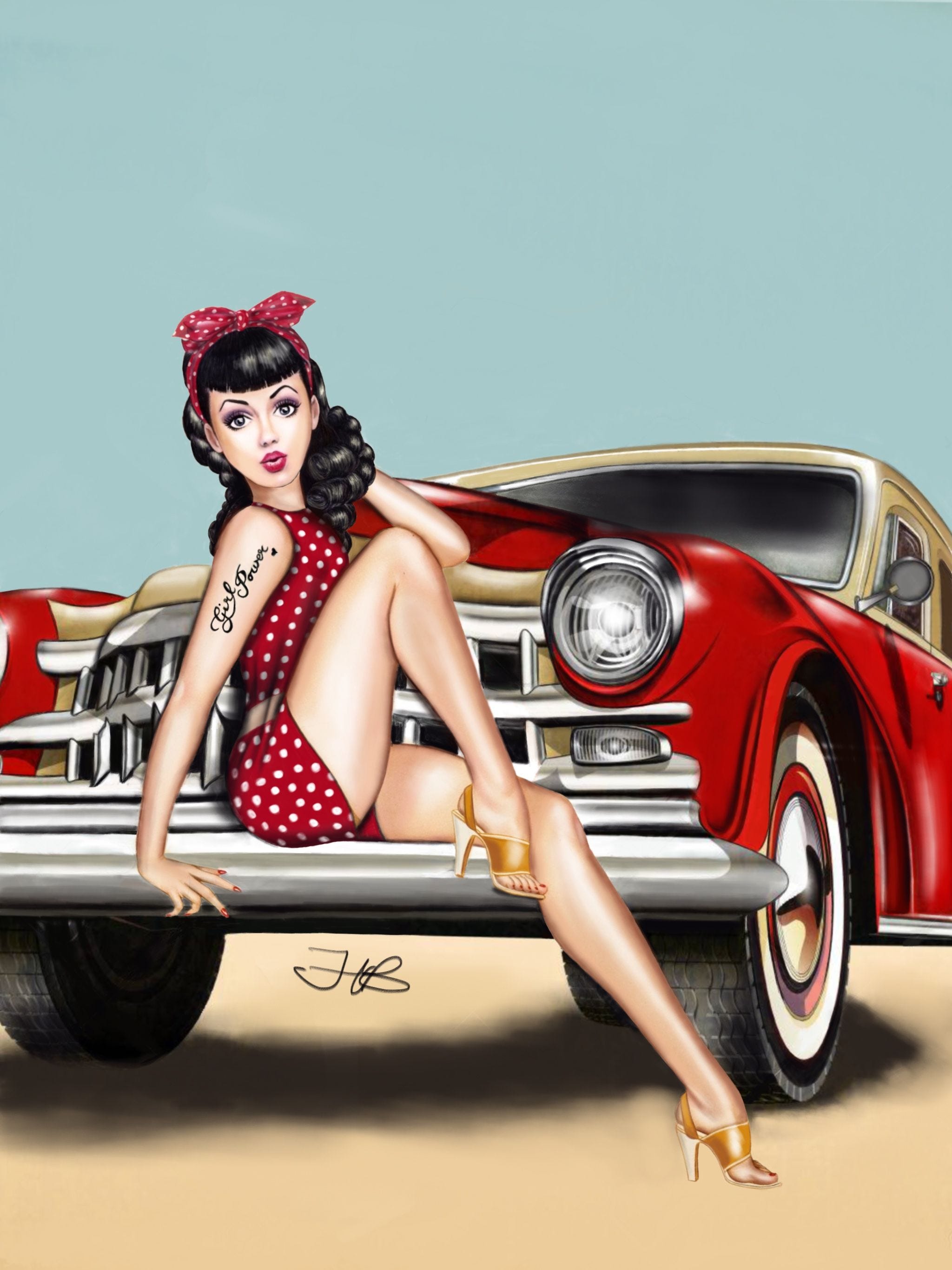
The term “teenager” was coined to name the generation that did not have to work in the family business, got universally free public education, had plenty of time on their hands and money to burn on frivolous luxuries, whether or not they had a job.
Another erroneous assumption I made was that people who have nothing to complain about…won’t complain.
In fact, complaining about “problems” that accompany idle prosperity—unthinkable in the Fourth Turning—is an affordable luxury in a First Turning. The complaining isn’t limited to direct conversations—it happens in the arts, too. That’s the window we have into the public mind during those easy, pampered times.
And the “Artist” archetype (to which the Silent Generation conformed) as much as it tries to imitate its “Hero” big brother, is a different animal. Long before I came across Generational Theory, I read a historical study which illustrates this fairly well.
The study focused on American Prisoners of War. Our P.O.W.s from 1941-45 did everything they could to escape their captors and re-join their countrymen in the fight—as American soldiers are still expected to do. Our P.O.W.s from 1950-53 succumbed to depression and just gave up, immediately after capture.
(As always when discussing Generational Theory, I concentrate on the rule, not the exceptions.)
In the music, the can-do attitude disappeared. “Let’s all do our part, pull together and make the necessary sacrifices” was replaced with melancholy romantic teenage angst and pursuit of dopamine hits (dancing; racing; surfing; etc.).
In comic books, only three superheroes remained popular enough to survive. But even Superman, Batman and Wonder Woman weren’t as popular as cynical horror tales or angst-ridden teenage romances.
Boxing movies were made (Champion; Body and Soul; The Set-Up; etc.), but were a far cry from the inspiring heroic tales of underdogs who beat the odds. Far more prevalent were depressing, fatalistic stories of protagonists who not only can’t triumph over the corrupt fight game, they often can’t even avoid being corrupted themselves.
Even a biopic about a Fourth Turning hero, The Joe Louis Story, was a depressing melodrama when, 10 years before, it would likely have left a very different flavor in the mouth.
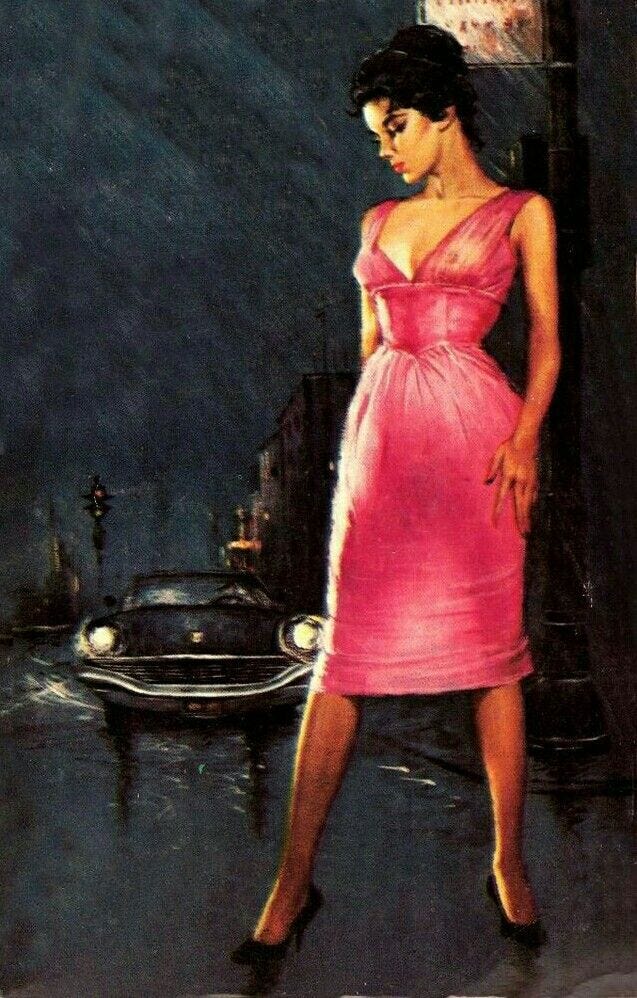
And a new sub-genre developed, named by the French New Wave critics: Film Noir. The term is applied loosely today to pretty much any flick with dark aesthetics or a character that wears a fedora. But it was originally defined with more exacting criteria:
Low-budget black & white cinematography with high-contrast shadows.
Made within the postwar years (American High).
A prominent femme fatale.
A corruptible, weak, and foolish protagonist.
Moral ambiguity.
Evil usually triumphs, whether or not “good” is even represented.
Perhaps the definitive film for the American High had nothing to do with crime: Rebel Without a Cause. The title itself fits the typical artist producing pop culture during that time quite well, in fact.
American society no longer faced existential problems, and now had the luxury of discovering problems for themselves that the previous generation had no time for (housewives’ boredom; lack of warm fuzzies from father figures; etc.).
Next in the saeculum (historical cycle) came the Second Turning, or Awakening, when those luxury problems would be internalized by the demographic replacements of the Silents, and eventually be converted into true existential problems that we are facing today in our current Secular Crisis.
Speaking of Fourth Turnings…
I wrote the story of an internecine struggle between opposed pantheons of superheroes during a Secular Crisis which closely resembles what we’ve been going through in this reality. Except, y’know, no superheroes for us.
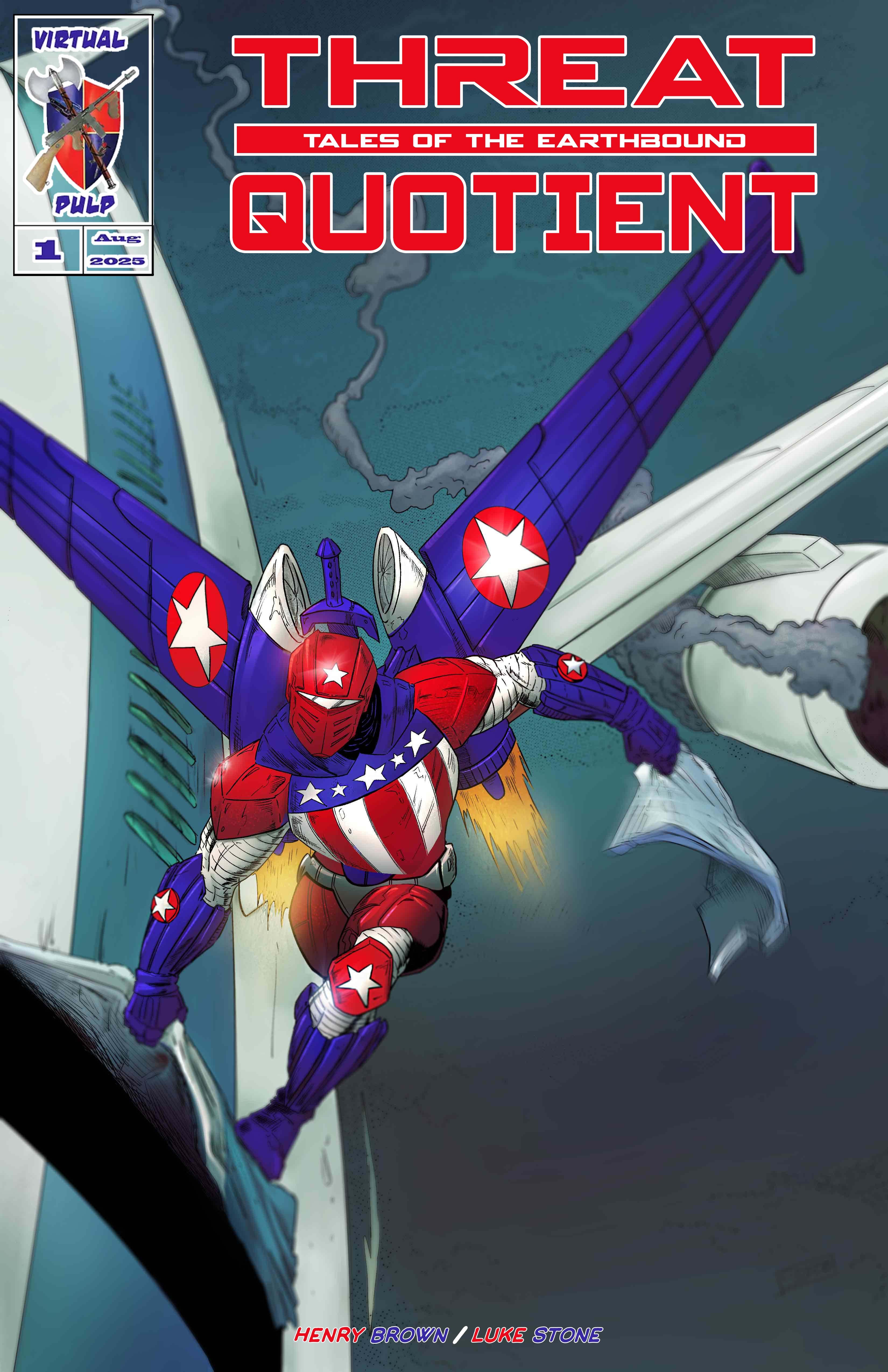
Panels have been pulled out of the pages and arranged for vertical scroll at Virtual Pulp Press. This brand new ensemble superhero graphic novel, Threat Quotient, will be launching in early April on FundMyComic, and also has a pre-launch page on Kickstarter. Reserve your physical copy at either site.
You have a command of genre that I find impressive. I never could well wrap my mind around genre. Same for the taxonomy of plants. I find that field so alien and confusing. Anyone who can keep it straight... I don’t know how they do it.
Your insightful commentary echoes the book "Generations - The History of America" by William Strauss and Neil Howe.
I first read that book in 1991 in its initial form. They make a compelling case for the repetition of generations based on the reaction of a generation to the immediate preceding one. Their notion of 4 types seems reasonable, while the idea of alternating strong and passive generations seems hard to deny.
I look forward to your thoughts and future posts on generational attitudes and attributes.